


At a glance
Dyneema® loops come in two forms:
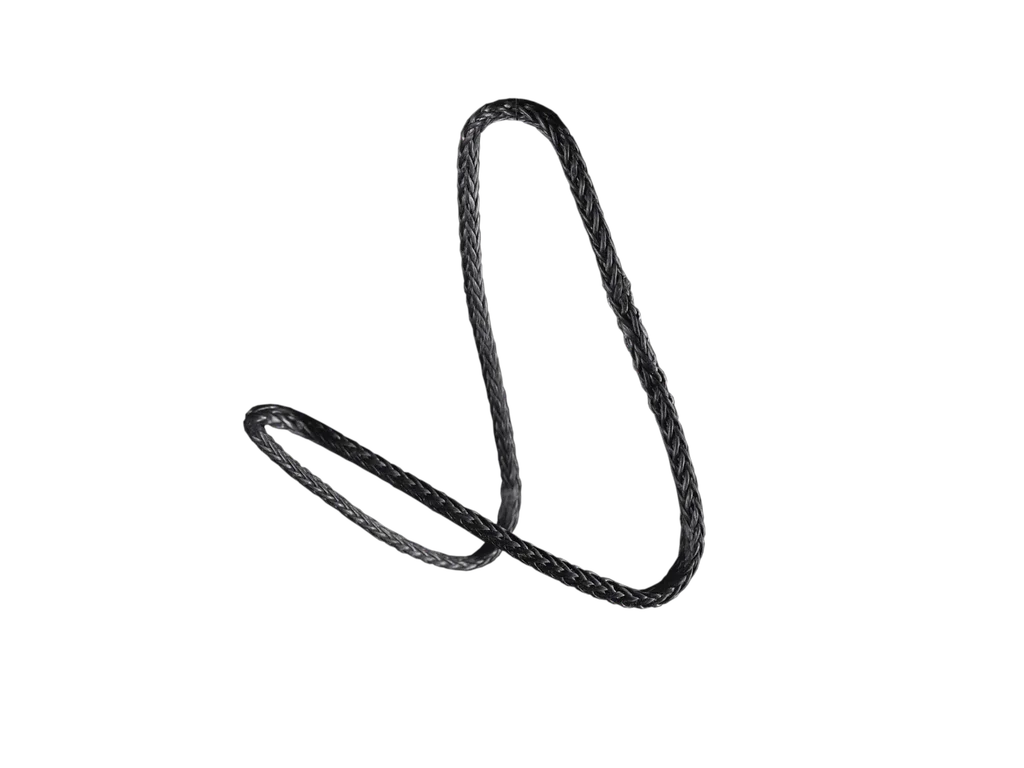
Single-braid loops – lightweight, flexible, and easy to splice. Ideal for halyards, vangs, and soft shackles.
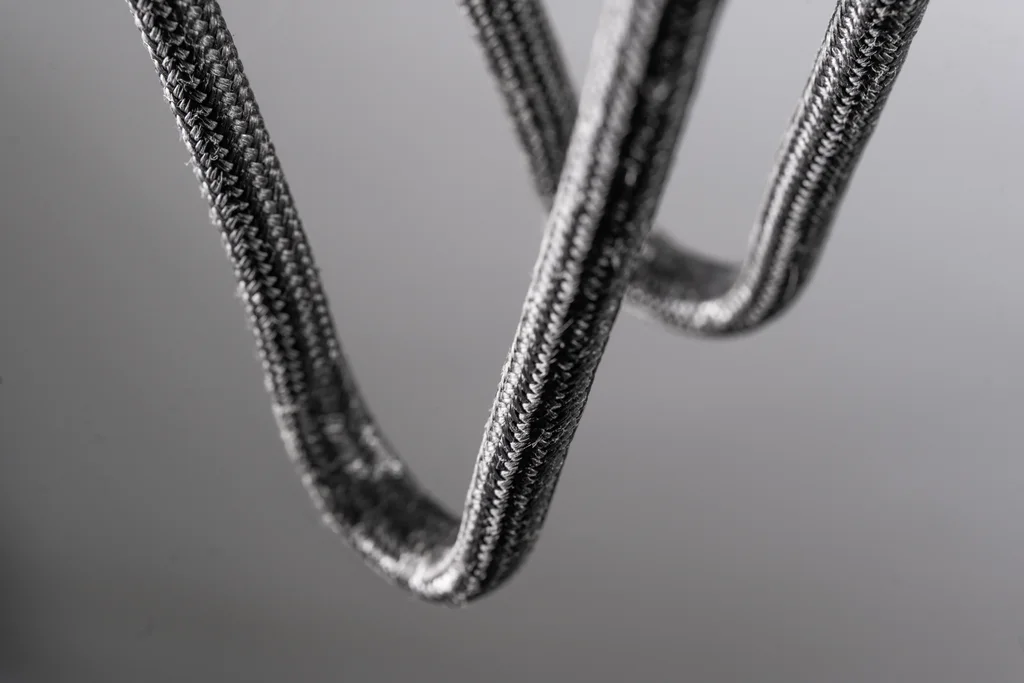
Covered loops – abrasion resistant, UV protected, and higher breaking strength. Best for backstays, outhauls, and loop blocks.
Choosing loops
Single-braid for general use; and covered for permanent, high-load applications. Avoid sharp edges, rinse after saltwater use, and inspect regularly.
In-depth read
Single braided core
Single braid loops with Dyneema® are made entirely of single braid Dyneema® fiber, typically in a 12-strand construction. These loops are flexible, lightweight, and incredibly easy to splice, making them ideal for most sailing applications, especially in light-to-moderate load conditions.
Best for:
Applications where flexibility and easy splicing are essential, such as halyard attachments, vang systems, and soft shackles.
Advantages:
Lightweight, flexible, easy to splice, and cost-effective.
Drawbacks:
May wear faster than covered loops in high-friction environments, particularly in applications where the loop will be under constant strain.
Covered loops
Covered loops with Dyneema® come with a protective outer cover. This covering provides enhanced abrasion resistance and UV protection. The way covered loops are made means it is also possible to achieve a higher breaking strength while maintaining relatively small diameters. Covered loops are recommended for high-load and high-friction applications, or when the loop will be under continuous use.
Best for:
Heavy-duty applications and high-friction areas, like backstays, outhauls, and loop blocks.
Advantages:
Higher breaking strengths, better durability, increased resistance to wear and UV, excellent in holding systems.
Drawbacks:
More difficult to make, more expensive, and may require special tools to splice.
Ways to maximize the life of your loops with Dyneema®
Avoid sharp edges:
Although Dyneema® is highly resistant to abrasion, avoid contact with sharp surfaces that could damage the fibers.
Rinse after use:
Especially in saltwater environments, rinsing Dyneema® loops with fresh water after use can help maintain their longevity.
Check for wear:
Regularly inspect your loops with Dyneema® for signs of wear or fraying, especially around areas that bear the most load. Replace loops that show damage to maintain safety.
Common Dyneema® grades for fabricating loops:
Dyneema® SK78 fiber
Widely used for loops due to low elongation under load and good handling.
Dyneema® SK99 fiber
Where extreme stiffness or minimal elongation is needed.
Dyneema® DM20 fiber
For semi-static loops such as structural or standing applications.
Key user benefits of loops with Dyneema®
Stronger than steel:
Being 15 times stronger than steel of the same weight, sailors can confidently rely on Dyneema® loops for essential rigging components like soft attachments for blocks, halyard attachments, and many other applications.
Ultra lightweight:
Loops with Dyneema® are much lighter than metal shackles or cables. This not only benefits racing and high-performance yachts, but any sailor who wants to improve their boat's stability and handling.
Abrasion resistant:
Dyneema® fibers' smooth surface resists abrasion, which also helps them last longer in harsh environments.
Flexible and versatile:
Dyneema® can be spliced or tied into loops, allowing for flexibility in rigging applications. Unlike stainless steel shackles, which can be noisy and potentially damaging, loops with Dyneema® are quiet and gentle on deck hardware.
Corrosion free and safe to handle:
Dyneema® doesn't corrode and resists the effects of saltwater and chemicals. It's also much safer to handle than steel, with no risk of being cut by sharp edges or rust. There is also less recoil or “explosion” versus other synthetic ropes if one breaks, reducing risk of injury or damage.