


At a glance
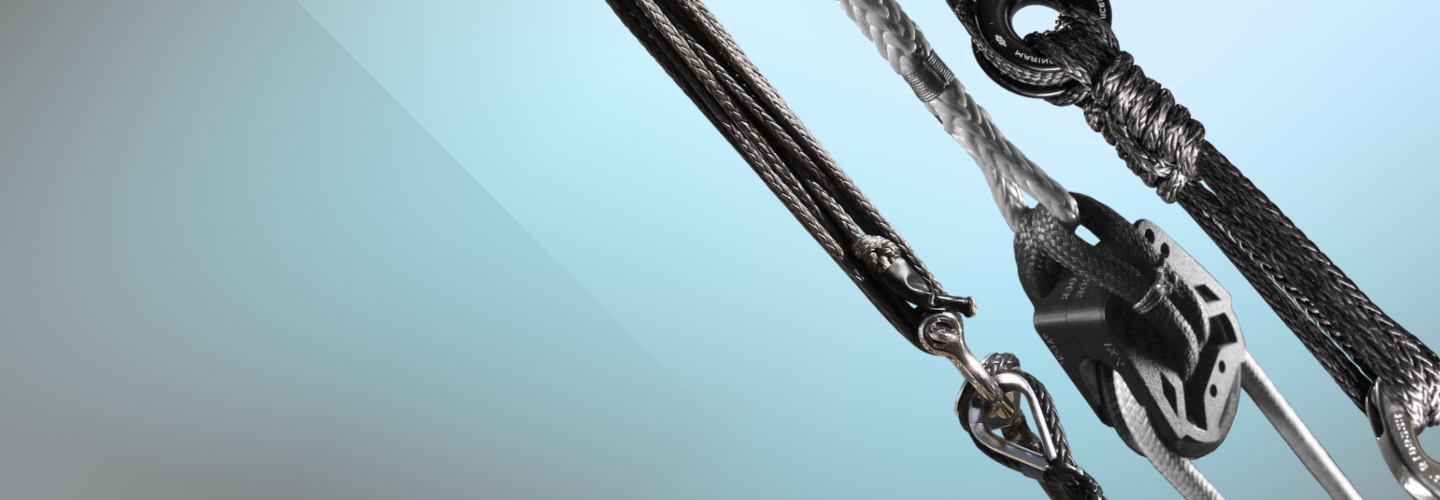
With its outstanding strength-to-weight ratio and versatile form factors, Dyneema® runs through virtually every system on board a sailing vessel.
Running rigging
From halyards to spinnaker lines, Dyneema®'s low elongation keeps sails precisely shaped and securely hoisted, giving sailors accurate, consistent control in any conditions.
Sheets
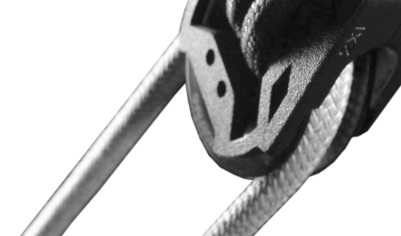
Whether it's a mainsheet, Genoa, or spinnaker sheet, Dyneema® minimises stretch under load for precise trim and responsive handling.
Sail control and trim lines
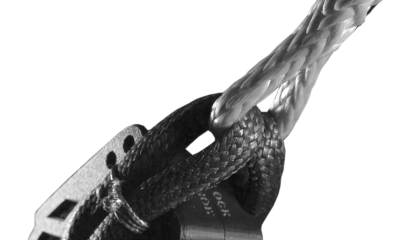
From outhauls and reef lines to furling systems and vangs, Dyneema® delivers the low stretch, durability, and abrasion resistance needed to maintain consistent sail shape and control.
Mooring lines and lifelines
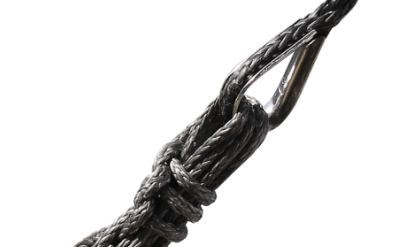
High strength and abrasion resistance make Dyneema® a reliable choice for mooring lines, while its light weight and corrosion resistance make it increasingly popular for safety lifelines on race boats.
Standing rigging
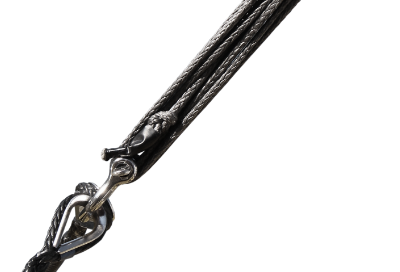
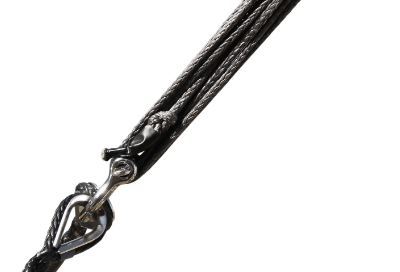
Engineered for standing rigging, Dyneema® DM20 fiber resists permanent elongation and maintains dimensional stability under sustained tension – ideal for runners, shrouds, forestays, and backstays.
In-depth read
Running rigging
Main halyard
One of the most important applications to be made with Dyneema®. Its low elongation ensures precise mainsail control and secure hoisting, even under heavy wind loads.
Genoa halyard/high-aspect halyard
Critical for maintaining luff tension and sail shape, particularly on high-aspect jibs that experience steep loading angles. Dyneema® provides the stability and low permanent elongation needed to hold shape and performance over time.
Gennaker halyard
For higher angle sailing with the gennaker, Dyneema® prevents unwanted stretch and keeps the sail stable. For cruising, a blend with mild elasticity can help absorb shock loads.
Spinnaker halyard
Dyneema® provides fast response and shape control, converting every puff into speed. Essential for racers and highly desirable for casual sailors, too.
Code zero halyard
For higher angle sailing with the gennaker, Dyneema® prevents unwanted stretch and keeps the sail stable. For cruising, a blend with mild elasticity can help absorb shock loads.
Sheets
Mainsheet
In systems with mechanical purchase, loads are shared across multiple parts, so stretch is less critical. However, in German sheeting systems – where loads are higher – Dyneema® ensures precise sail control and minimal elongation under tension.
Genoa sheet
Dyneema® is excellent here, because maintaining headsail shape is crucial for upwind performance. Dyneema® maintains precise trim with minimal stretch – ideal for performance sailors – while lighter or blended Dyneema® options balance stiffness with easier handling for cruisers.
Spinnaker guy/windward sheet
This line keeps the pole and sail stable under pressure. The unrivaled strength and stiffness of Dyneema® prevents the pole from slamming against the forestay on higher courses.
Spinnaker leeward sheet
If also used as a windward sheet on alternate tacks, Dyneema® provides the responsiveness required. If you have dedicated leeward sheets, a blended line with Dyneema® is likely more comfortable.
Sail control and trim lines
Traveler control
Since loads are usually reduced by a purchase system, stretch is less of an issue here. However, Dyneema®'s smooth handling and abrasion resistance make it a reliable, long-lasting upgrade compared to polyester or generic HMPE.
Outhaul and reef lines
These lines determine the sail's draft depth in stronger winds. Dyneema®'s low stretch maintains consistent sail profile and power, especially when reefed down in strong winds.
Kicker/boom vang
Often used with a purchase system where stretch is less critical, but Dyneema® can still offer long-term durability and reduced wear under compression and bending.
Cunningham/downhaul
Used to fine-tune sail draft, this line carries significant load. Dyneema®'s excellent tenacity and low stretch make adjustments accurate and repeatable, ensuring consistent sail performance.
Boom downhaul
Since loads are usually distributed through a purchase system, there is less of a necessity for low-stretch Dyneema® lines here. However, using Dyneema® will still improve the rope's durability and ease of handling.
Topping lift
This line holds up the boom, preventing it from falling when the mainsail is lowered. Ropes made using Dyneema® accurately maintain the height of a pole or boom under load without elongating over time, ensuring consistent positioning.
Furling line for headsail
If you use the furling system to reef aswell, then Dyneema® allows precise control of how far the sail is furled – and keeps it securely furled. It also makes it easier to feel if the line is jammed. With polyester, you may think that you're stretching the rope, or that it is stuck. Dyneema® is therefore a must for this type of sailing line.
Tack line/tack downhaul
If you want to sail higher angles with the gennaker, you need tight luff control. Dyneema® provides excellent stability and control, especially when sailing at higher angles or in shifting winds.
Standing rigging
Runners, shrouds, forestays, and back stays
Synthetic standing rigging made with Dyneema® is the choice for performance-oriented sailboats whenever it is critical to reduce weight aloft. Pre-tensioned and correctly sized Dyneema® offers exceptional strength at a fraction of the weight of stainless-steel wire or rod, improving stability, righting moment, and overall sailing performance. However, careful design is essential, making synthetic standing rigging more suited for high-performance or weight-sensitive boats, rather than conventional cruising yachts.
Mooring lines
Dyneema® is sometimes used to secure the vessel to a dock, buoy, or anchoring point when not under sail. Mooring lines made with Dyneema® are high strength and resist abrasion, while elasticity is often added for shock absorption.
Lifelines
When every gram or ounce counts, as on performance-oriented boats, safety lifelines made with Dyneema® reduce weight and corrosion.